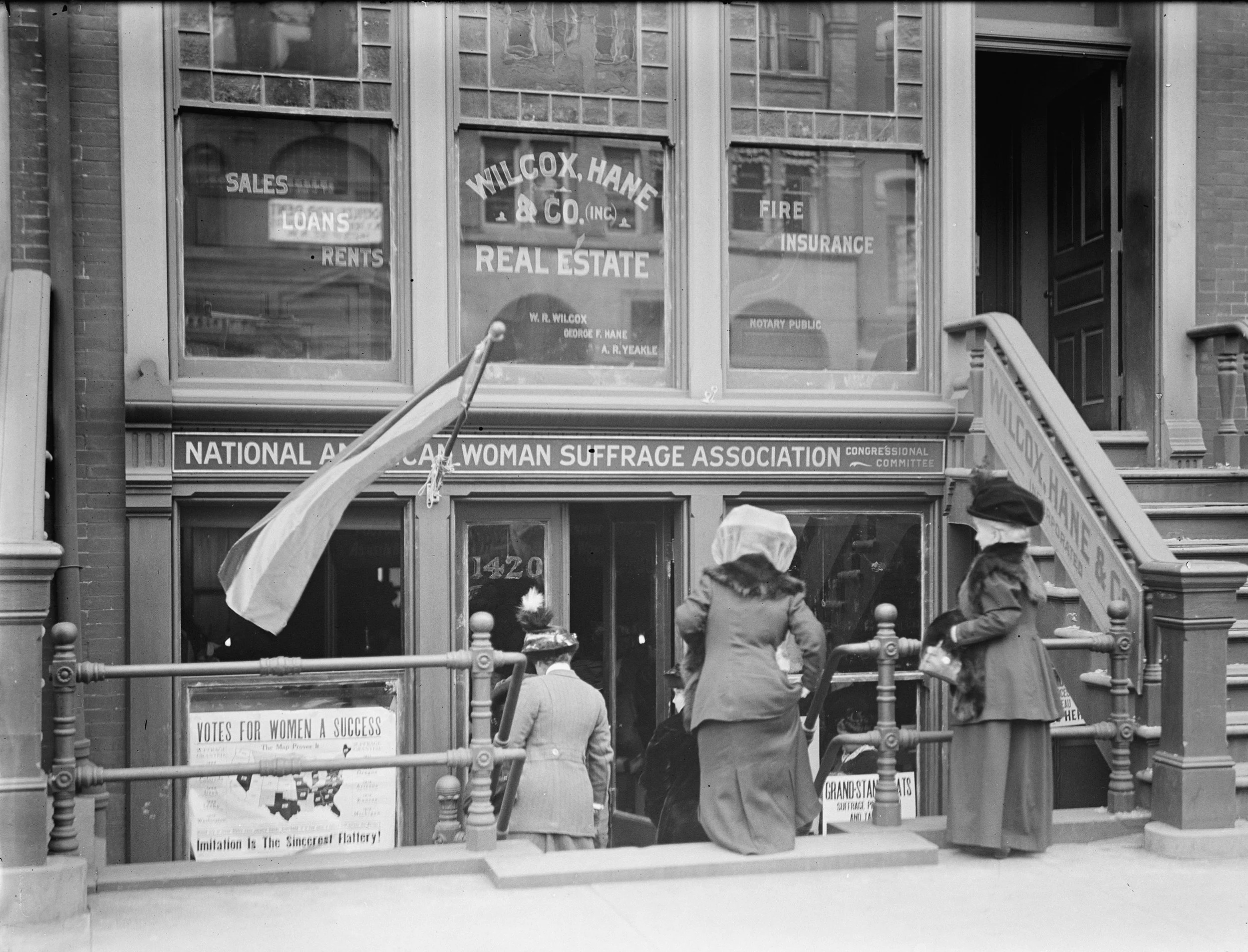
Caucus Needs Your Voice
Attendance at Utah’s caucuses have recently been too low to represent the wide range of perspectives of Utah’s voters.
Your voice matters.
2026 NEIGHBORHOOD CAUCUS NIGHTS
Make sure elected representatives are accountable to you. Your voice is needed at your neighborhood caucus!
REPUBLICAN
March 17, 2026
DEMOCRATIC
March 17, 2026
FORWARD
March 17, 2026

Caucus Defined
A caucus is a 2-hour political gathering on a Tuesday evening in early March. A neighborhood party caucus takes all party members in a local area and allows them to meet to debate issues and choose delegates. Those delegates go on to vote for candidates at a county or state convention.
-
The area in which your caucus will be located is called a precinct. Generally, a precinct encompasses about 1,250 registered voters, but most neighborhood caucuses are attended by less than 50 voters, with some only getting a handful of attendees. Caucuses are run by local party volunteers, which means that the way meetings are run and publicized can vary.
Since Utah is among only about 7 states that still use any form of a caucus, public awareness and attendance tend to be very low. Utah’s caucus-convention system is rarer still. Voters who move to Utah from other states or countries are especially unlikely to participate due to unfamiliarity.
-
A delegate is an individual chosen in a caucus meeting to represent their voting precinct at party conventions. Delegates serve two-year terms and have specific responsibilities, the greatest of which are attending annual state or county conventions.
While state delegate and county delegate are separate roles, individuals can run to be both. For the GOP, the number of delegates allotted to a precinct is proportional to the number registered Republicans in the precinct. There are a total of 4000 state GOP delegates.
Delegates gather every year at their party’s convention. During even-numbered years delegates meet to vote on candidates for their party’s primary elections. This meeting is called the “nominating convention.”
During odd-numbered years delegates meet to conduct party business, such as voting on party officials, rules, and their political platform. This meeting is called the “organizing convention.”Delegates are expected to attend both conventions, as well as to thoroughly vet candidates for elections and for party leadership.
-
Decisions are made by those who show up. Delegates are chosen by the people who participate in neighborhood caucus meetings, and those delegates go on to make decisions that affect all of Utah. If a broad and representative group attends caucus meetings, the delegates chosen will reflect the true breadth and diversity of our state. The policies in action today are a result of the opinions of those who participated in the past. Were you among them?
-
There’s a scene in the film The Devil Wears Prada in which the intern played by Anne Hathaway scoffs at a fashion deliberation, two belts that look indistinguishable. The inimitable Meryl Streep delivers a haughty lecture pointing out that Anne’s cerulean sweater is the farthest thing from the intended anti-fashion choice “...When in fact, you’re wearing a sweater that was selected for you, by the people in this room…”--Meryl Streep as Miranda Priestly, The Devil Wears Prada
When citizen participation is low, the delegate system can lead to misalignment between party politics and the true attitudes of the general public. If you do not participate in the neighborhood caucus for your political party, then decisions that affect you are going to be made for you, and by those who may or may not share your political perspective. Our democracy is made stronger when more people engage in it. The only way to ensure representative leadership in Utah’s caucus-convention system is to have more voters step forward, attend caucuses and take delegate roles.
-
Delegates get to meet and often even personally interview all the candidates for their precinct, including face-to-face meetings that would not be available to the general population. Selecting a small number of people to fulfill this duty gives that group the ability to personally get to know candidates well and cast a more informed vote on behalf of their precinct.
Caucus Timeline
How do Neighborhood Caucuses Predict Political Outcomes?
MARCH
CAUCUS MEETINGS
Neighborhood caucus meetings begin and attendees elect precinct officers and delegates to represent the precinct at upcoming conventions.
If a precinct’s caucus doesn’t have enough turnout to select all representing delegates, delegates are appointed by local party leadership.

APRIL/MAY
CONVENTIONS
Delegates choose convention candidates at State and county party conventions.
Since most of Utah’s elected representatives are selected by delegate votes, they tend to be primarily accountable to those delegates rather than general voters.

JUNE
PRIMARY ELECTIONS
Primary elections happen. If there is no primary election, convention candidates appear on general ballot and frequently prevail in primary elections.
When an elected official (like a state legislator) resigns, delegates from that party choose the replacement in a special election.

NOVEMBER
GENERAL ELECTIONS
Voting Districts are currently drawn to have either a solid Democrat or Republican majority, so the nominee from the majority party of each district almost always wins there. Caucus and convention are when the die is cast, not during general elections.

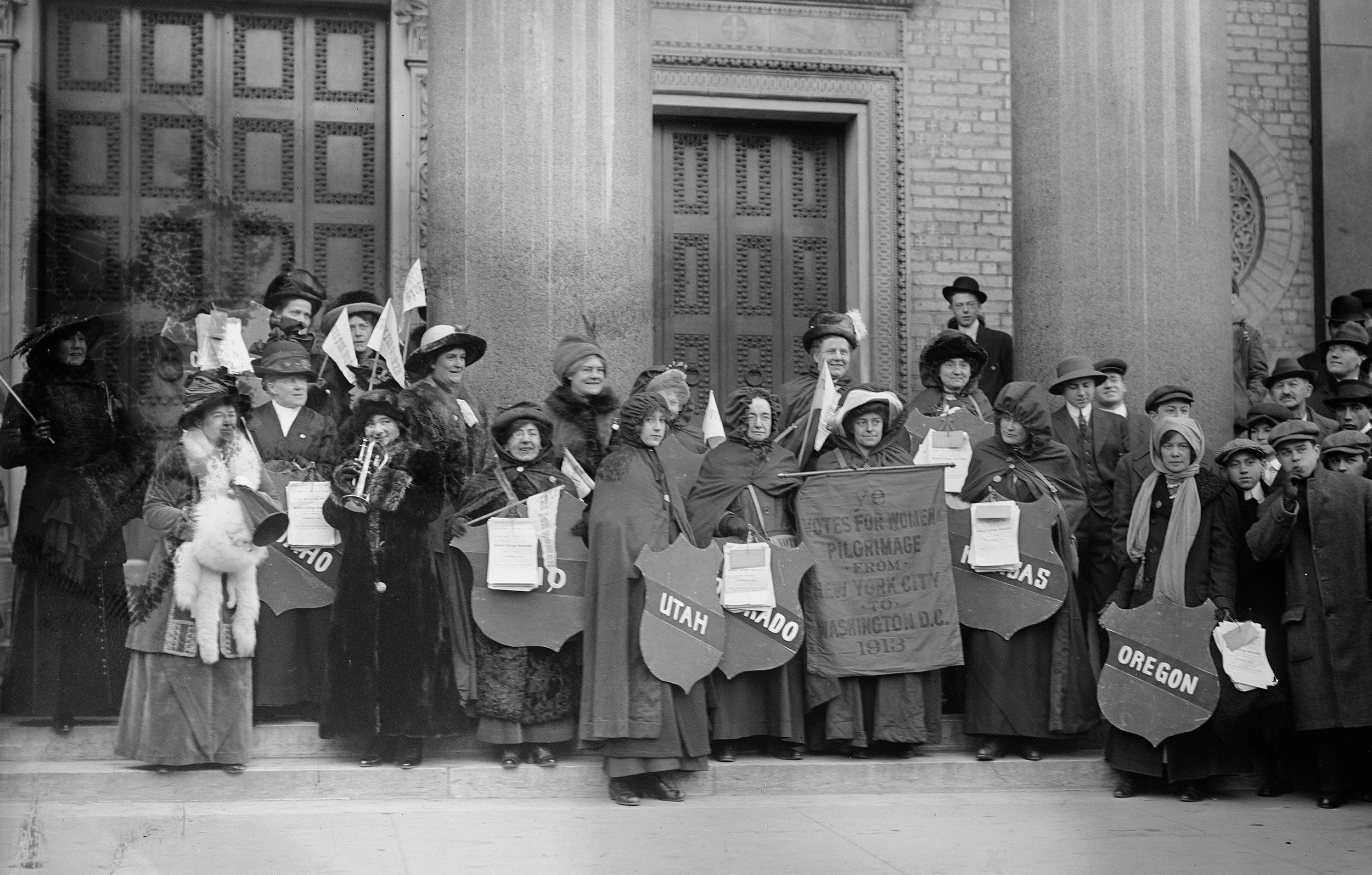
Party delegates chosen at caucus and entrusted with choosing party nominees and voting on party platforms, comprise less than .2% of the voters. Be one of them.
How Do I Attend Caucus?
First, sign up for information and reminder notices! We will send you informative descriptions and interviews with people who’ve done it before. By the time caucus night arrives you’ll have an idea of what to expect and how to get the most out of it. We promise, no political spam! Check the Events page for updated Caucus night information.
-
Caucus night itself is simple. Your precinct will meet in a designated location, such as a local school building. Depending on the size of your precinct, the night’s proceedings may be more or less formal. Once you get there you will check in and be directed where to go. Just make sure you set the evening aside, and prepare for a few hours to make your political contribution that will influence Utah for the next many years.
If you sign up for reminder emails from us, we can notify you with links when party precinct information is made public. There will be some public trainings and webinars run by the political parties, in case you want to learn more after watching Women’s Work Utah videos.
-
Bring your voter registration card and a valid ID! Caucus starts with a check-in where you show your voter registration card. Other than that, all you will need is time, attention, and the spirit of community!
-
Please show up to caucus anyway! There is likely someone willing to serve whom you want to support. And even if not, the delegates who do get elected need to be reminded they represent a broad suite of political ideas. You have a right to stay in touch with them as they prepare for the convention.
-
The process depends on the type of elected official resigning. For federal offices (US House and Senate), a special election is arranged, and a party nominee is chosen by the same dual pathway as described earlier. For offices like Utah’s State Senate and House seats, when a state representative or senator resigns outside of the normal election period, their replacement is selected by their local party leadership. Usually, this means a special election where a few dozen delegates from the local party gather to vote on their party’s candidates. As of December 2023, a quarter (25%) of Utah’s state representatives were initially selected for the role by party delegates!
-
Yes, Utah recognizes a dual path to the primary ballot. Candidates can earn a position on the primary ballot through the Caucus-Convention Process as described here, or by a Petition Process.
To qualify for a spot on a primary ballot via Petition, the signature requirements vary by district. The numbers as reported by the Utah Lieutenant Governor’s Office are:
United States Senate:
28,000 signatures statewideUnited States House of Representatives:
7,000 signatures from within the districtUtah State Senate:
2,000 signatures from within the districtUtah State House:
1,000 signatures from within the districtState Board of Education:
The lesser of 2,000 signatures or 3% of active registered voters of a qualified political party within the state board of education districtCounty Office:
Signatures of 3% of the registered voters who are residents of the area permitted to vote for the county office and are permitted by the qualified political party to vote for the qualified political party’s candidates in a primary election.N.B.:
All signatures must be signed physically and cannot be electronically signed.A primary election is forced if one candidate gathers enough signatures to be on the ballot. In that case, the primary ballot lists both convention candidates and those who gathered sufficient signatures to be on the ballot. The results of the primary election supersede the results of the convention vote.
Many candidates pursue both routes, and some candidates prefer the caucus-/convention system because it is (potentially) less costly and often ensures the backing of local party leadership.
A Quick, Informative Look at Caucus Night in Utah